



Smart Lenz AI
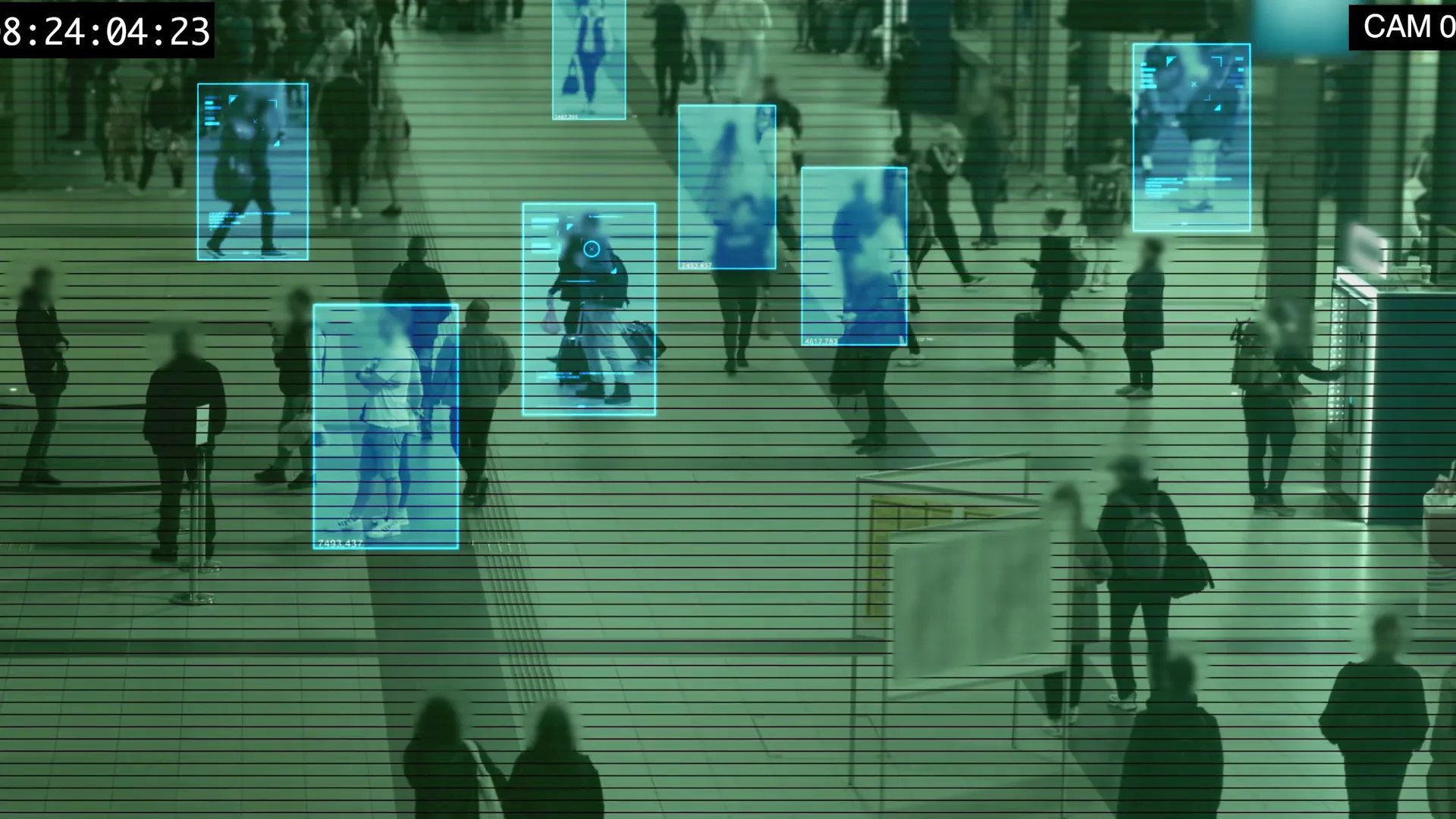
A video-analytics platform demonstrating people and vehicle counting, movement events, heatmaps, crowd monitoring and dashboard-based review. The work illustrates how visual detections can be translated into operational information.
We engineer intelligent systems that use business context, reason through tasks, connect to your tools and move real workflows forward.
From AI agents and enterprise knowledge systems to computer vision and predictive intelligence, OdyxAI turns advanced AI into software your teams can actually operate.

An impressive answer is not the finish line. The value begins when information turns into a useful action—with the right context, controls and human oversight.
Specialized AI components, connected into complete applications. Each capability is designed around the data, tools, users and safeguards of your business.
Explore AI Capabilities →Design task-oriented agents that plan steps, invoke approved tools, coordinate specialized roles and complete multi-stage workflows with traceable execution.
Build LLM-powered assistants, copilots and natural-language experiences that work with your processes, documents and applications.
Connect private information to retrieval, citation, access controls and grounded answers—so teams can work with the knowledge they already have.
Use vision models to inspect images and video, detect or classify visual events, and extract structured information from documents.
Develop forecasting, anomaly detection, classification and recommendation systems that support planning and operational decisions.
Connect models to APIs, enterprise applications and workflow engines, including validation, retries, approvals and exception handling.
We focus on opportunities where AI reduces friction or gives people better information—not automation for its own sake.

Create agentic workflows that gather inputs, apply business rules, route decisions and perform approved actions across systems. Keep exceptions visible and make handoffs easier to manage.

Build knowledge assistants and document intelligence pipelines that retrieve the right information, explain the basis for outputs and preserve necessary access boundaries.

Apply computer vision, diagnostics and predictive models to the information teams already collect—then surface findings through dashboards, alerts and review workflows.
A complete engagement is shaped around your environment and goals. The engineering scope can include the following deliverables.
We make the architecture, responsibilities and proof points clear before turning up the autonomy.

Understand the business task, existing tools, data, user decisions and operating constraints.
Map the end-to-end experience, model behavior, integrations, controls and acceptance criteria.
Engineer and test the workflow in usable increments, including integrations and evaluation.
Release into the appropriate environment with monitoring, access control and user readiness.
Study real usage, review failures, refine models and workflows, and expand capabilities responsibly.
We engineer around your requirements rather than forcing every problem onto one framework.
Depending on the use case, the technology can include leading LLM services, open-source models, orchestration frameworks, Python services, machine-learning libraries, modern data platforms and cloud infrastructure. Representative technologies:
These OdyxAI demonstrations show how applied AI can be shaped into visible product workflows. Each example represents a distinct engineering challenge; illustrative demo outputs are not independently verified customer performance results.
Explore Our Work →
A video-analytics platform demonstrating people and vehicle counting, movement events, heatmaps, crowd monitoring and dashboard-based review. The work illustrates how visual detections can be translated into operational information.

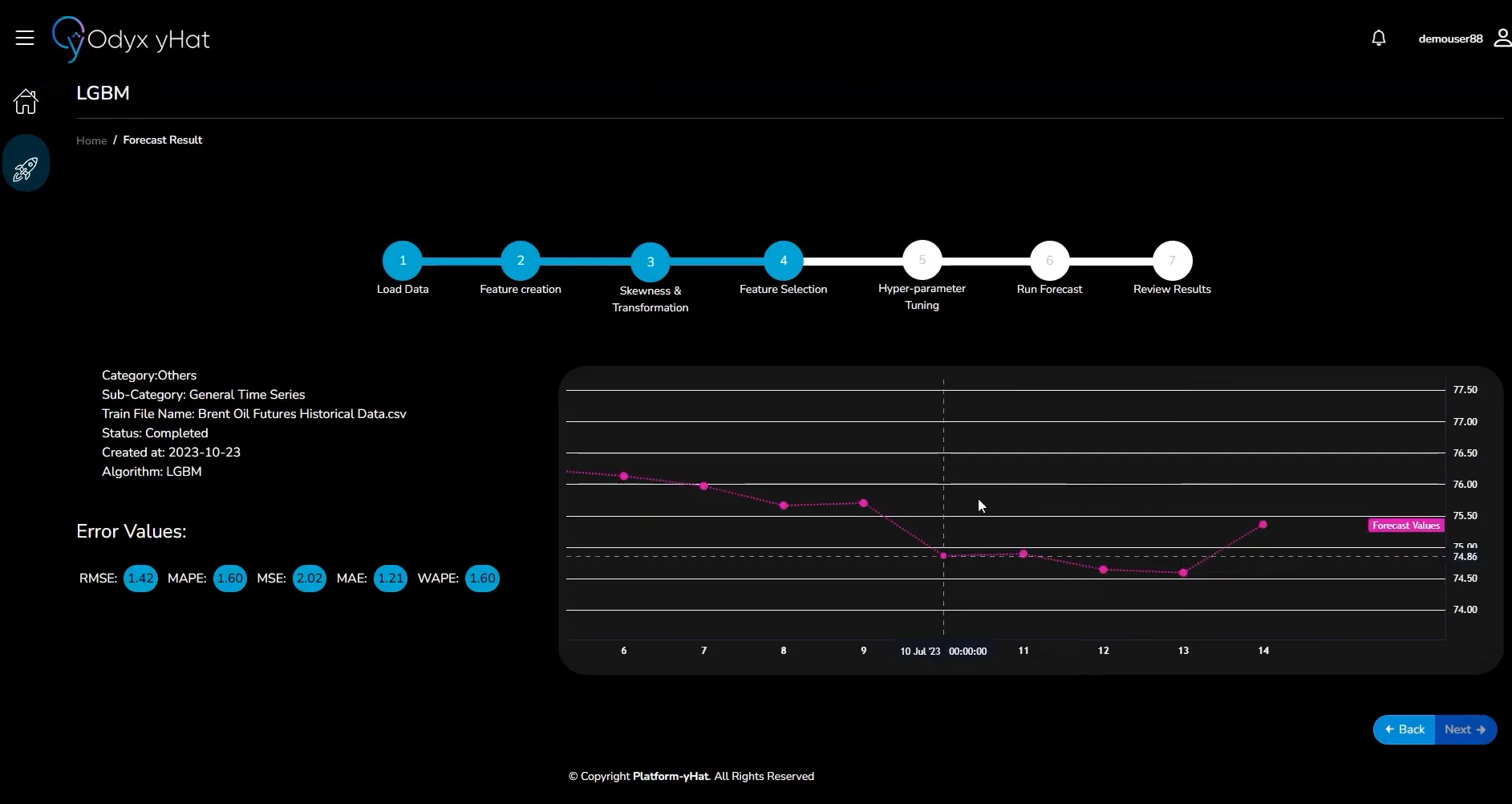
A forecasting workspace with model selection, configurable forecast horizons, tuning controls, comparison views and error metrics. It demonstrates how machine-learning outputs can become a usable planning experience.

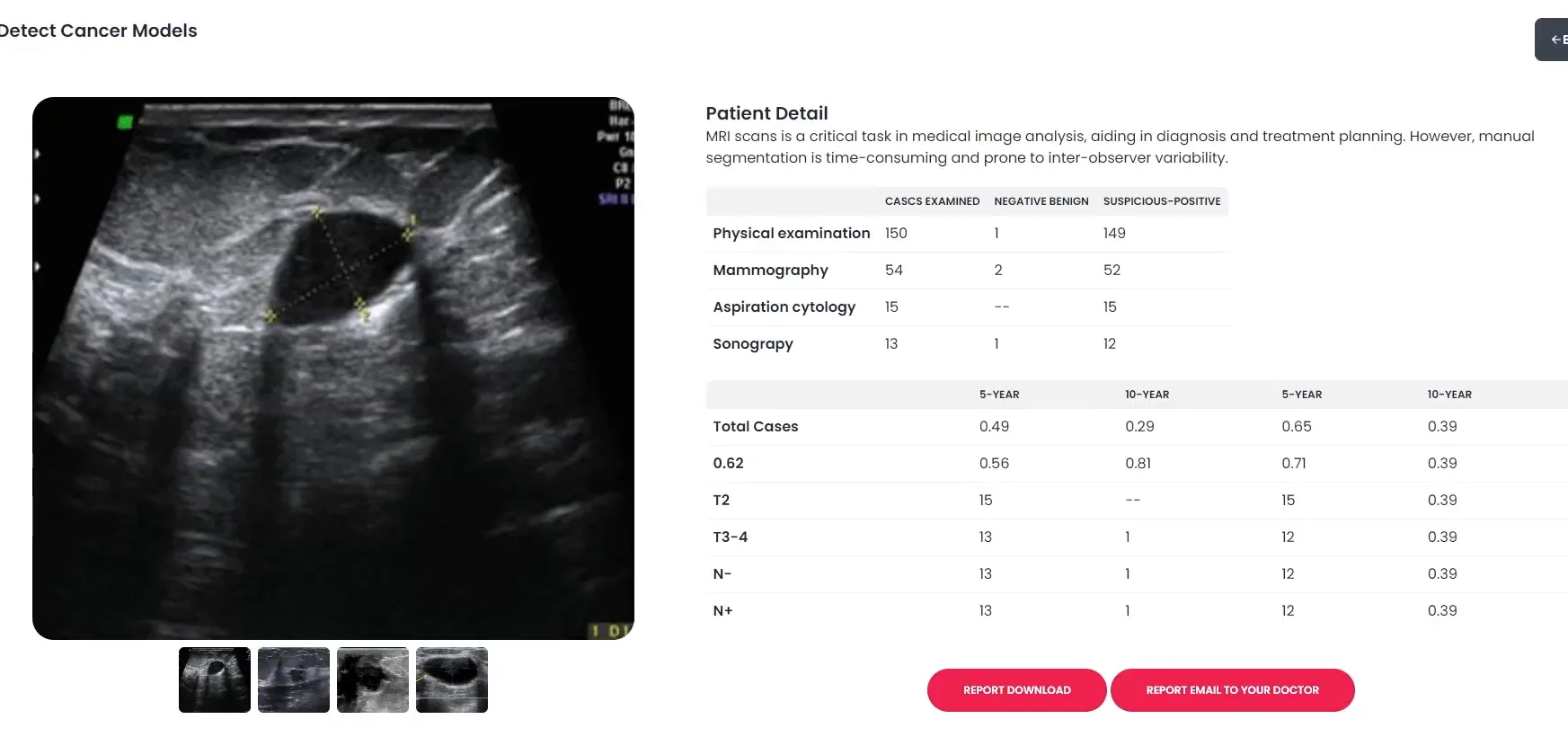
A healthcare AI product demonstration combining imaging inputs, structured questionnaires, analysis views and physician-facing reporting. It illustrates human-review workflows; clinical diagnostic accuracy or regulatory authorization is not established by the demo.
Bring us a defined build, extend your existing team or keep improving an AI capability after launch.
A defined AI initiative with agreed scope, milestones, responsibilities and an end-to-end engineering team.
Specialist AI, data, product and software engineers who work alongside your team within an agreed delivery model.
Ongoing monitoring, support, maintenance, evaluation and model or workflow improvements after release.
Need to establish feasibility and priorities first? Begin with technical discovery and a bounded execution plan.
An assistant typically helps a person find information or prepare work. An agent can also carry out authorized steps—such as retrieving records, invoking a tool or creating an update—within defined limits. OdyxAI designs the level of autonomy around risk, permissions and business requirements.
Yes, where suitable interfaces and permissions are available. We can connect AI workflows to APIs, databases, documents and enterprise systems, then design access controls, validation and exception handling around those connections.
We use task-specific evaluation, grounding where appropriate, controlled tool access, logging, human approval paths and ongoing monitoring. These safeguards reduce risk, but no AI system is error-free; the required controls depend on the use case.
Not necessarily. Many projects are better served by an existing model integrated with business data, applications and workflow logic. Custom tuning or training is considered when the task, evidence and economics justify it.
Tell us the work you want AI to take on. We will help define the architecture, the controls and the engineering path to a system your team can trust and use.